The Importance of Cold Storage for Crypto

0 0
Read Time:3 Minute, 58 Second

One of the most effective and secure methods for protecting cryptocurrency is cold storage for crypto—an offline solution designed to keep your assets safe from online threats.

In the ever-evolving world of cryptocurrency, where market volatility and cyber threats are rampant, securing your digital assets has never been more critical.

Crypto investors are increasingly vulnerable to risks such as hacking, phishing, and exchange insolvencies. As the value of digital assets rises, safeguarding them has become an essential aspect of responsible crypto investing.

What is Cold Storage for Crypto?

Cold storage for crypto refers to keeping cryptocurrencies in a completely offline environment, which means they are not connected to the internet. Unlike hot wallets, which remain online and are vulnerable to cyberattacks, cold storage ensures that your digital assets are kept away from hackers and malware.

Cold storage solutions, such as hardware wallets, paper wallets, and air-gapped computers, store private keys—the essential components for accessing and controlling your crypto—without exposing them to online risks.

Why Do Crypto Investors Need Cold Storage for Crypto?

Protection from Cyber Threats

The cryptocurrency industry is rapidly growing, but so are the cyber threats targeting it. Hot wallets, which are online and connected to the internet, are prime targets for cybercriminals. Attacks like hacking, phishing, and malware infections can lead to irretrievable losses once a hacker gains access to your private keys.

Cold storage for crypto offers a higher level of security by storing your private keys offline, protecting them from online attackers and ensuring the safety of your digital wealth.

Minimizing the Risks of Exchange Failures

Crypto exchanges are often the target of cyberattacks, and even the most reputable platforms have been compromised in the past. Incidents like the Mt. Gox hack, where over 850,000 Bitcoins were lost, show that even large exchanges are vulnerable.

By using cold storage for crypto, you minimize the risk of relying on centralized exchanges that can face breaches, insolvency, or hacks. When you store your crypto offline, you are in full control of your private keys, not dependent on third-party exchanges.

Long-Term Storage and Peace of Mind

For many crypto investors, the goal is to hold their digital assets for long-term growth. Cold storage is ideal for this purpose. Solutions like hardware wallets and paper wallets are designed to last for years, offering a secure, durable option for long-term storage.

Cold storage for crypto ensures that your assets are shielded from online threats, allowing you to preserve your wealth and investment for the long run.

Full Control Over Your Assets

One of the core principles of blockchain and cryptocurrency is decentralization, which means you should have full control over your assets. With cold storage for crypto, you are not reliant on third-party services or exchanges to manage your funds.

This control is especially vital for investors in countries with unstable financial systems, where access to traditional banking services may be unreliable. Cold storage guarantees that no third party can seize, freeze, or access your assets without your consent.

How to Implement Cold Storage for Crypto

Hardware Wallets

Hardware wallets, like the Ledger Nano S/X and Trezor, are some of the most popular methods for cold storage for crypto. These portable devices are protected by PIN codes and recovery phrases, ensuring that only the owner has access to the stored crypto.

Hardware wallets support a variety of cryptocurrencies and are user-friendly, offering a simple and secure storage solution.

Paper Wallets

A paper wallet is an offline solution for cold storage, where you print your private keys on paper and store them safely. While paper wallets are completely immune to online threats, they are vulnerable to physical damage or loss. To mitigate the risk of loss, it’s important to store paper wallets in secure, fireproof, and waterproof locations.

Air-Gapped Computers

An air-gapped computer is one that has never been connected to the internet. These systems are entirely isolated from external networks and can be used to securely generate and store private keys for cold storage. Although setting up and maintaining air-gapped computers requires technical expertise, they are one of the most secure cold storage options for long-term storage, providing maximum protection for your assets.

The Bottom Line

As the cryptocurrency market continues to grow, securing your digital assets is paramount. Cold storage for crypto offers a foolproof solution to safeguard your wealth from hacks, theft, and exchange failures.

Whether you’re a beginner or an experienced investor, adopting cold storage is essential for securing your assets and ensuring peace of mind. Protect your portfolio and take control of your financial future by moving your crypto to cold storage today—it’s the smartest investment you can make.

Happy
0 0 %
Sad
0 0 %
Excited
0 0 %
Sleepy
0 0 %
Angry
0 0 %
Surprise
0 0 %

Decentralized Identity: The Future of Blockchain Security

0 0
Read Time:3 Minute, 50 Second

In an era where digital transformation is reshaping industries, the need for secure, private, and user-centric identity management has never been more critical. Traditional identity systems, often centralized and prone to data breaches, are increasingly being challenged by a revolutionary concept: Decentralized Identity (DID). Powered by blockchain technology.

What is Decentralized Identity?

A decentralized identity is a concept where individuals own and control their personal information without relying on centralized authorities, such as governments or corporations. Instead of storing data in centralized databases that are prone to hacking, a decentralized identity uses blockchain to securely store and manage identity information. Through the use of cryptographic techniques, users can prove their identity without revealing sensitive data, ensuring privacy and security.

Blockchain technology plays a vital role in this system by providing an immutable and transparent ledger that records identity-related transactions. This ensures that the identity information cannot be altered or tampered with, providing both security and trust in the system.

The Role of Blockchain in Decentralized Identity

Blockchain technology is the backbone of decentralized identity systems. Its inherent features—decentralization, immutability, and cryptographic security—make it an ideal solution for identity management. Here’s how blockchain enhances DID:

  1. Decentralization: By eliminating the need for a central authority, blockchain ensures that no single entity has control over user identities. This reduces the risk of data breaches and misuse.
  2. Immutability: Once identity data is recorded on the blockchain, it cannot be altered or tampered with. This ensures the integrity and authenticity of user identities.
  3. Cryptographic Security: Blockchain uses advanced cryptographic techniques to secure identity data. Users have private keys that grant them exclusive access to their identities, ensuring that only they can control and share their information.
  4. Interoperability: Blockchain-based DID systems can be designed to work across different platforms and services, enabling seamless identity verification across industries.

Benefits of Decentralized Identity

The adoption of decentralized identity offers numerous benefits for individuals, businesses, and governments:

  1. Enhanced Privacy: Users have full control over their data and can choose what information to share, with whom, and for how long. This minimizes the risk of data misuse and unauthorized access.
  2. Reduced Fraud: With tamper-proof identity records stored on the blockchain, the risk of identity theft and fraud is significantly reduced.
  3. Improved User Experience: Decentralized identity eliminates the need for repetitive identity verification processes, enabling faster and more efficient access to services.
  4. Cost Savings: Businesses can reduce the costs associated with managing and securing centralized identity databases.
  5. Regulatory Compliance: DID systems can be designed to comply with data protection regulations like GDPR, ensuring that organizations meet their legal obligations.

Real-World Applications

Decentralized identity has the potential to transform various industries, including:

  1. Finance: Banks and financial institutions can use DID to streamline customer onboarding, enhance KYC (Know Your Customer) processes, and prevent fraud.
  2. Healthcare: Patients can securely share their medical records with healthcare providers, ensuring privacy and improving the quality of care.
  3. Education: Students and professionals can maintain verifiable digital credentials, making it easier to share qualifications with employers and institutions.
  4. Government: Governments can issue digital IDs to citizens, enabling secure access to public services and reducing bureaucratic inefficiencies.
  5. E-commerce: Online platforms can use DID to verify user identities, reducing the risk of fake accounts and fraudulent transactions.

Challenges and the Road Ahead

While decentralized identity holds immense promise, it is not without challenges. Key hurdles include:

  1. Adoption: Widespread adoption of DID requires collaboration between governments, businesses, and technology providers.
  2. Scalability: Blockchain networks must scale to support millions of users without compromising performance.
  3. User Education: Users need to understand the importance of managing their private keys and securing their digital identities.
  4. Interoperability Standards: The development of universal standards is essential to ensure that DID systems work seamlessly across different platforms.

Despite these challenges, the momentum behind decentralized identity is growing. Major tech companies, blockchain startups, and industry consortia are actively working on DID solutions, signaling a shift toward a more secure and user-centric digital future.

The Future of Decentralized Identity

The future of decentralized identity is bright, with blockchain technology paving the way for more secure, private, and efficient digital identity solutions. As concerns over privacy, data breaches, and centralized control grow, decentralized identity could play a key role in reshaping how individuals and organizations manage digital identities.

With blockchain’s transparency, security, and immutability, decentralized identity systems offer a new paradigm for managing personal data in a trusted, private, and user-controlled manner. As adoption increases and technology advances, decentralized identity may soon become the standard for online authentication, ushering in a new era of digital security and privacy.

Happy
0 0 %
Sad
0 0 %
Excited
0 0 %
Sleepy
0 0 %
Angry
0 0 %
Surprise
0 0 %

The Role of Privacy Coins in a Surveillance Economy

0 0
Read Time:4 Minute, 36 Second

In today’s digital age, privacy is increasingly scarce, especially with the rise of the surveillance economy. Governments, corporations, and cybercriminals use advanced technologies to collect and exploit personal data, leaving individuals exposed to privacy breaches. Privacy coins, a type of cryptocurrency designed for anonymity, are emerging as a vital solution.

These digital currencies provide users with the tools to secure their financial activities and reclaim control over their personal information, offering protection in a world of growing digital surveillance. Privacy coins like Monero and Zcash are essential in defending against data exploitation and enhancing online privacy.

What Are Privacy Coins?

Privacy coins are cryptocurrencies designed to ensure anonymous transactions and protect user data. Unlike traditional cryptocurrencies, such as Bitcoin, privacy coins like Monero and Zcash use advanced cryptography to mask transaction details, making them untraceable and secure. These coins are essential for safeguarding financial privacy in a world of increasing digital surveillance.

Surveillance Economy: The Growing Threat to Privacy

A surveillance economy refers to a system where personal data is commodified, collected, and exploited by various entities, including governments, corporations, and data brokers. This economic model thrives on constant data collection—tracking consumer behavior, preferences, locations, and even biometric data. The more data these entities gather, the more they can profit from targeted advertising, surveillance, and predictive analytics.

In this ecosystem, privacy is often seen as a hindrance to corporate profit-making. Individuals’ financial transactions, social activities, and online behavior are tracked, and recorded, and facial recognition technology, data mining, and internet monitoring are sold for targeted marketing or political manipulation are amplifies concerns about the erosion of personal freedoms.

As more personal data is digitized and connected across platforms, the risk of breaches and unauthorized surveillance rises, undermining the notion of personal privacy.

Privacy Coins as a Solution to Surveillance

Privacy coins address the fundamental issue of surveillance by providing individuals with the tools to protect their financial privacy. Here’s how these digital currencies help combat the surveillance economy:

1. Anonymity in Financial Transactions

Privacy coins allow users to conduct transactions without revealing sensitive information such as their identity or transaction details. For instance, Monero employs Ring Signatures, which combine the transaction signature with multiple decoy signatures, making it impossible to distinguish between the actual sender and the decoys. This means that the identities of the parties involved in a transaction remain private.

Zcash, on the other hand, uses Zero-Knowledge Proofs (ZKPs), a cryptographic protocol that enables the verification of transaction validity without disclosing any of the transaction’s details. This enables the transfer of funds in a completely anonymous manner while ensuring the integrity of the transaction.

2. Protection from Data Harvesting

In a surveillance economy, every action is potentially being observed. Privacy coins mitigate the risks associated with traditional payment systems, where transactions can be linked to a user’s real-world identity. By using privacy coins, users can protect themselves from data harvesting, ensuring that even if their transaction details are intercepted, they cannot be traced back to them.

3. Decentralization and Control Over Personal Data

One of the core values of cryptocurrencies, including privacy coins, is decentralization. Traditional financial systems are centralized, with institutions controlling and storing vast amounts of personal and financial data.

Privacy coins operate on decentralized blockchains, meaning that no central authority has access to the transaction data.

This decentralization empowers users to maintain control over their financial privacy and reduces the risk of data breaches.

4. Circumventing Censorship and Financial Surveillance

In authoritarian regimes or situations where governments have tight control over financial systems, privacy coins offer a means of circumventing censorship and surveillance. They provide individuals with an alternative payment method that is not subject to government monitoring or restrictions, thus ensuring financial freedom and autonomy in regions where privacy is increasingly under threat.

5. Global Accessibility

Privacy coins offer a solution that transcends national borders. With increasing government surveillance on international financial transactions, privacy coins can be used to maintain privacy when sending or receiving money across borders, without the fear of being surveilled or having transactions scrutinized by authorities.

Challenges and Limitations of Privacy Coins

While privacy coins offer significant advantages in protecting financial privacy, they are not without their challenges and limitations:

  • Regulatory Scrutiny: Due to their association with illegal activities, such as money laundering or tax evasion, privacy coins are often under scrutiny from regulators worldwide. Some countries have outright banned the use of privacy coins or are considering stricter regulations on their use.
  • Limited Adoption: Despite their potential, privacy coins have not achieved the same level of mainstream adoption as Bitcoin or Ethereum. This limited adoption can hinder their ability to challenge traditional financial systems and offer a viable alternative to surveillance-based economies.
  • Technological Complexity: Privacy coins utilize complex cryptographic methods, which can be difficult for everyday users to understand and use. This complexity can deter people from adopting privacy-preserving solutions, despite the growing need for privacy in the digital age.

The Future of Privacy Coins in a Surveillance Economy

As the surveillance economy continues to expand, the demand for financial privacy is likely to grow. Privacy coins represent a critical innovation in this space, offering a way to resist invasive data collection and protect individual freedoms. However, their future will depend on how well they can navigate regulatory challenges and gain mainstream acceptance.

To ensure their longevity, privacy coin projects must prioritize transparency, compliance, and education. By demonstrating their value in protecting legitimate privacy concerns, they can build trust and foster broader adoption.

Happy
0 0 %
Sad
0 0 %
Excited
0 0 %
Sleepy
0 0 %
Angry
0 0 %
Surprise
0 0 %

Countries with the most Crypto Users, Creators, and Miners

0 0
Read Time:4 Minute, 56 Second

Cryptocurrency has experienced exponential growth worldwide, creating massive opportunities for users, creators, and miners. This global trend has reshaped financial markets, and some countries are at the forefront of this revolution, leading in crypto adoption, blockchain development, and mining.

Below is an updated overview of the major crypto user countries, crypto creators, and top mining locations that play pivotal roles in the crypto ecosystem.

Major Crypto Users and Creator Countries

  • United States

Crypto Adoption: The U.S. has a vast crypto user base with a dynamic market for buying, selling, and trading cryptocurrencies. Popular exchanges like Coinbase and numerous blockchain companies are headquartered here.

Blockchain Developers: Key tech hubs like San Francisco, New York, and Austin are home to blockchain innovators and crypto entrepreneurs.

Impact: The U.S. remains a leader in the crypto industry, with strong market activity and technological advancements.

  • China (Before the Ban)

Crypto Users: China once led the world in crypto adoption, with millions of active users engaging in trading and crypto transactions.

Blockchain Development: Chinese developers significantly shaped blockchain protocols and cryptocurrency technologies.

Post-Ban: After the 2021 crypto ban, many developers and blockchain creators moved abroad, still contributing to the global crypto space.

  • Russia

Crypto Users: Despite mixed regulatory stances, Russia has a strong following of crypto users, actively participating in digital currency trading.

Blockchain Developers: Russia has many blockchain experts and crypto creators, with many contributing to state projects and global blockchain initiatives.

  • India

Crypto Adoption: India is experiencing rapid growth in crypto users, particularly in major cities like Bengaluru and Mumbai.

Blockchain Development: Indian developers are actively involved in creating innovative blockchain projects, despite regulatory uncertainty.

Challenges: The evolving crypto regulation in India creates uncertainty for both users and creators.

  • Germany

Crypto Users: As a European leader, Germany is a major player in crypto adoption and has recognized Bitcoin as legal tender since 2013.

Blockchain Startups: Cities like Berlin are hubs for blockchain startups and crypto developers, attracting significant international attention.

Regulatory Environment: Germany provides clear and favorable crypto regulations, which allow businesses to thrive in the crypto ecosystem.

  • South Korea

Crypto Usage: South Korea has one of the highest cryptocurrency adoption rates in Asia, with millions of active users in trading and digital currency activities.

Blockchain Enterprises: The South Korean government has been supportive of blockchain innovation, though strict regulations are in place to ensure market integrity.

  • Switzerland

Crypto Users: Switzerland, especially the Crypto Valley in Zug, is home to a significant number of crypto users and investors.

Crypto Startups: The Swiss regulatory framework fosters a thriving environment for blockchain startups and crypto enterprises.

Blockchain Regulation: Swiss authorities have established a pro-crypto regulatory environment, making it one of the top destinations for blockchain projects.

  • Brazil

Crypto Adoption: Brazil has seen significant growth in cryptocurrency adoption, with a rapidly increasing number of crypto traders.

Blockchain Development: Cities like São Paulo are emerging as hubs for blockchain developers and crypto startups, contributing to Brazil’s growing tech scene.

Top Crypto Mining Countries

  • United States

Crypto Mining Growth: The U.S. has emerged as the leading country for crypto mining after China’s 2021 mining ban. Texas, Georgia, and New York are key states offering cheap energy and a favorable regulatory environment for miners.

Major Mining Firms: Marathon Digital and Riot Blockchain are two of the largest crypto-mining companies in the U.S.

  • Kazakhstan

Mining Hub: After China’s ban, Kazakhstan became a key player in the global mining market, thanks to its low-cost energy from coal-powered plants.

Regulatory Landscape: Although the government has stepped up regulation of crypto mining, Kazakhstan continues to be a vital mining location for Bitcoin and other cryptocurrencies.

  • Russia

Mining Opportunities: Russia has vast reserves of cheap energy and abundant natural resources, which make it a prime location for crypto mining, particularly in regions like Siberia.

Cold Climate Benefits: The cold climate helps reduce costs for cooling mining rigs in Siberian areas, making it attractive for miners.

  • Canada

Renewable Energy Mining: Canada is a leading player in the crypto mining industry, with Quebec serving as a top mining location due to its cheap and renewable hydropower.

Key Mining Areas: Canada’s clean energy resources and climate make it an attractive location for mining operations, particularly for companies like Hut 8 Mining and Bitfarms.

  • Iran

Mining Surge: Iran, despite being under international sanctions, has become a significant crypto-mining country, thanks to its low electricity costs.

Regulatory Challenges: While legal crypto mining is allowed, the Iranian government actively regulates the industry and cracks down on illegal mining activities.

  • China (Before the Ban)

Dominant Mining Power: Before the 2021 mining ban, China was responsible for over 60% of Bitcoin mining globally, with major mining hubs in Inner Mongolia, Xinjiang, and Sichuan.

Post-Ban Shift: Many miners relocated to countries like Kazakhstan, Russia, and the U.S., seeking more favorable mining conditions.

  • Venezuela

Mining as a Livelihood: Due to hyperinflation and economic collapse, many Venezuelans have turned to crypto mining as a source of income. The country benefits from subsidized electricity which makes it a cost-effective mining destination.

Political Instability: Despite political challenges, Venezuela remains a mining hub for those seeking affordable energy to power mining rigs.

  • Germany

European Mining Leader: Although not as large as other countries, Germany plays an important role in European crypto mining. The country offers legal clarity for mining operations, which encourages smaller-scale miners.

Summary of Key Crypto Countries:

Top Countries for Crypto Users and Creators: United States, China (before the ban), Russia, India, Germany, South Korea, Switzerland, and Brazil.

Top Mining Countries: United States, Kazakhstan, Russia, Canada, Iran, China (before the ban), Venezuela, Germany.

These countries have emerged as crucial players in both crypto usage and mining, contributing to the global decentralization of the cryptocurrency ecosystem. With ever-evolving regulatory landscapes and technological advancements, these regions continue to shape the future of blockchain innovation and crypto mining worldwide.

Happy
1 100 %
Sad
0 0 %
Excited
0 0 %
Sleepy
0 0 %
Angry
0 0 %
Surprise
0 0 %

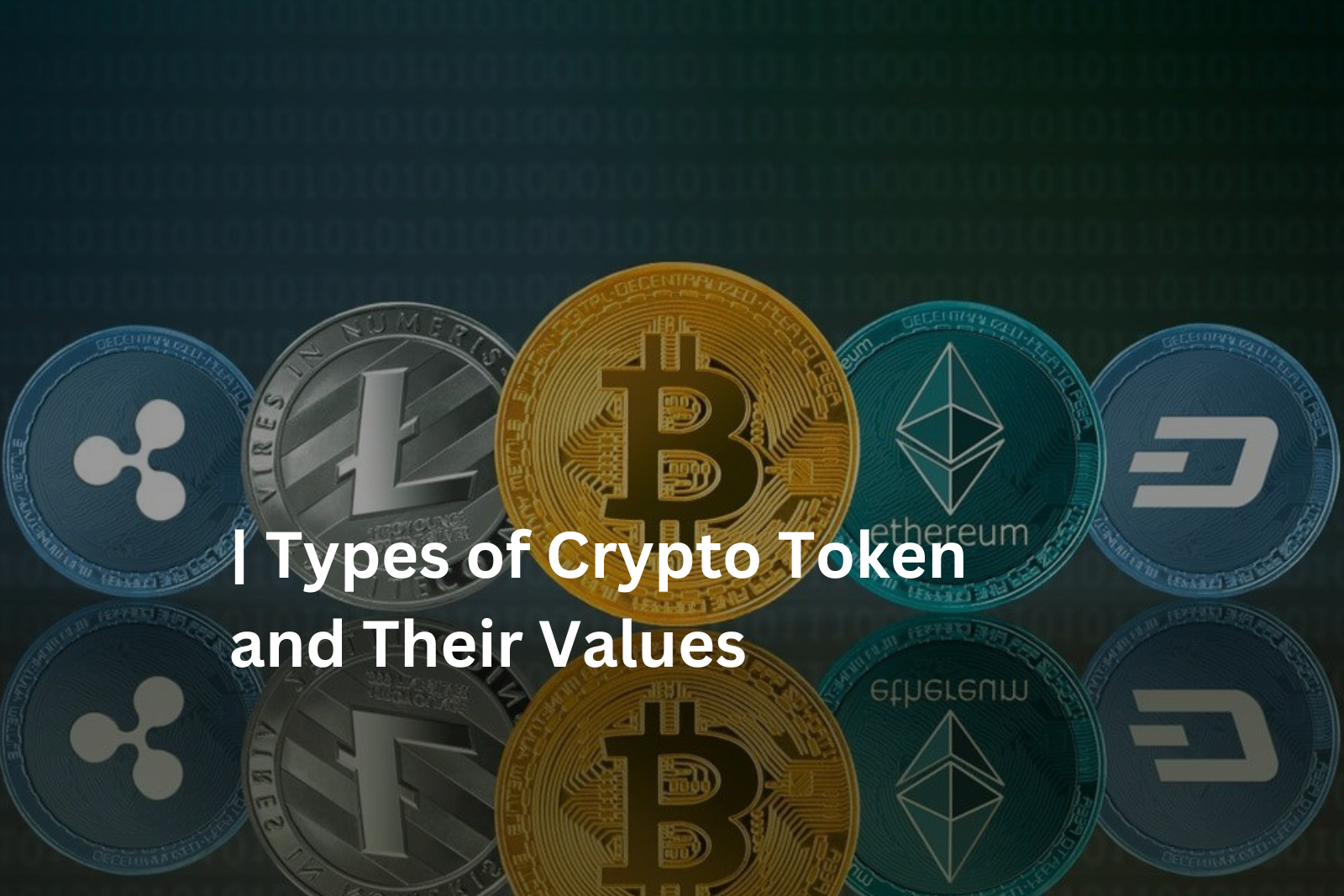
Types of Crypto Token and their Values

0 0
Read Time:4 Minute, 13 Second

Crypto token play a crucial role in the blockchain ecosystem, each serving different purposes based on their functionalities. Understanding the types of crypto tokens and their values helps investors, developers, and users navigate the digital asset space effectively. This guide explores the various types of crypto token, their significance, and the factors influencing their value in the digital economy.

1. Utility Tokens

Utility tokens provide access to a specific product or service within a blockchain ecosystem. They do not serve as a medium of exchange like traditional cryptocurrencies but instead grant special privileges, discounts, or access to decentralized applications (dApps).

Examples & Values

  • Ethereum (ETH) – Powers the Ethereum blockchain and is used for smart contract execution.
  • Binance Coin (BNB) – Initially created as a discount token for Binance exchange fees but has expanded into multiple utilities.
  • Chainlink (LINK) – Used to facilitate smart contracts with real-world data through decentralized oracles.

Value of Utility Tokens: Their value is driven by the demand for the underlying blockchain platform or service. The more widely adopted a crypto project becomes, the higher the token’s value.


2. Security Tokens

Security tokens represent ownership in an asset, such as company shares, real estate, or commodities, and are subject to regulatory compliance. These tokens function like traditional securities but operate on a blockchain network.

Examples & Values

  • Securitize (DS Protocol Tokens) – Enables compliant issuance and management of digital securities.
  • tZero (TZROP) – Represents equity in the tZero trading platform, allowing holders to earn dividends.
  • INX Token – A regulated security token used for crypto trading and investment.

Value of Security Tokens: Their value is linked to the real-world asset they represent, and government regulations play a significant role in their pricing.


3. Governance Tokens

Governance tokens give holders voting rights on protocol upgrades, changes, and development decisions within a decentralized autonomous organization (DAO) or DeFi (Decentralized Finance) ecosystem.

Examples & Values

  • Maker (MKR) – Allows holders to vote on risk parameters and governance of the MakerDAO ecosystem.
  • Uniswap (UNI) – Provides governance power over the Uniswap protocol, a leading decentralized exchange (DEX).
  • Aave (AAVE) – Used for governance decisions in Aave’s DeFi lending protocol.

Value of Governance Tokens: The more a DeFi protocol grows and requires user participation, the more valuable its governance token becomes.


4. Stablecoins

Stablecoins are cryptocurrencies pegged to real-world assets like fiat currency (USD, EUR) or commodities (gold). Their primary purpose is to reduce volatility in the crypto market.

Examples & Values

  • Tether (USDT) – Pegged to the US Dollar, offering a stable store of value for crypto traders.
  • USD Coin (USDC) – A regulated stablecoin backed 1:1 by US Dollar reserves.
  • Dai (DAI) – A decentralized stablecoin algorithmically maintained through over-collateralization.

Value of Stablecoins: They maintain a steady value, usually at a 1:1 ratio with their underlying asset, making them useful for crypto payments and trading.


5. Meme Coins

Meme coins are cryptocurrencies created as a joke or based on internet memes, but they can gain value through community hype and speculation.

Examples & Values

  • Dogecoin (DOGE) – Started as a joke but gained value through celebrity endorsements and strong community backing.
  • Shiba Inu (SHIB) – A meme token that built an ecosystem including DeFi features.
  • Pepe (PEPE) – A newer meme coin inspired by internet culture.

Value of Meme Coins: Their value is primarily speculative, influenced by social media trends, celebrity promotions, and community engagement.


6. Non-Fungible Tokens (NFTs)

NFTs (Non-Fungible Tokens) are unique digital assets representing ownership of art, collectibles, music, or in-game items on the blockchain. Unlike fungible tokens, each NFT is distinct and non-interchangeable.

Examples & Values

  • Bored Ape Yacht Club (BAYC) – A collection of high-value digital art NFTs.
  • CryptoPunks – One of the earliest and most valuable NFT collections.
  • Axie Infinity (AXS & SLP) – Used in the play-to-earn (P2E) gaming economy.

Value of NFTs: Their value is driven by rarity, demand, and cultural significance in the digital asset market.


7. Privacy Tokens

Privacy tokens enhance transaction anonymity by hiding sender and receiver details.

Examples & Values

  • Monero (XMR) – Provides complete privacy using stealth addresses and ring signatures.
  • Zcash (ZEC) – Offers optional privacy features through zero-knowledge proofs.
  • Dash (DASH) – Includes a PrivateSend feature for anonymous transactions.

Value of Privacy Tokens: Their value depends on demand for privacy in blockchain transactions, regulatory scrutiny, and secure finance applications.


8. Exchange Tokens

Exchange tokens are issued by cryptocurrency exchanges to provide benefits like reduced fees, staking rewards, or governance rights.

Examples & Values

  • Binance Coin (BNB) – Powers the Binance Smart Chain (BSC) and offers trading fee discounts.
  • FTX Token (FTT) – Previously provided incentives on the FTX exchange.
  • KuCoin (KCS) – Used for fee discounts and dividend payments on KuCoin Exchange.

Value of Exchange Tokens: Their value increases as the exchange gains more users and expands its crypto ecosystem.

Key Takeaway of this topic: The value of crypto tokens depends on market demand, blockchain adoption, technological innovation, and regulatory developments. Whether you’re investing in Ethereum (ETH), Bitcoin (BTC), or meme coins like Dogecoin (DOGE), knowing the token’s role is crucial for making informed crypto investments.

Happy
0 0 %
Sad
0 0 %
Excited
0 0 %
Sleepy
0 0 %
Angry
0 0 %
Surprise
0 0 %

What is Bitcoin Layer 1?

0 0
Read Time:49 Second

Bitcoin Layer 1: The Foundation of the Bitcoin Network

Bitcoin Layer 1 refers to the base blockchain protocol that underpins the Bitcoin network. It includes the core architecture, consensus mechanism (Proof of Work), security, and fundamental transaction processes. As the primary layer, it ensures decentralization, security, and immutability but faces scalability challenges due to limited transaction throughput and high fees during network congestion.

Key Features of Bitcoin Layer 1:

  1. Proof of Work (PoW) Consensus – Ensures network security through mining.
  2. Decentralization – Operates without a central authority, secured by thousands of nodes.
  3. Scalability Limits – Processes around 7 transactions per second (TPS), leading to congestion.
  4. Security & Immutability – Transactions are irreversible once confirmed on the blockchain.
  5. Native Asset (BTC) – Bitcoin operates natively on Layer 1 without intermediaries.

Challenges & the Need for Scaling

Due to Bitcoin Layer 1’s scalability limitations, solutions like Layer 2 protocols (e.g., the Lightning Network) have emerged to enable faster and cheaper transactions while maintaining Bitcoin’s security and decentralization.

Happy
0 0 %
Sad
0 0 %
Excited
0 0 %
Sleepy
0 0 %
Angry
0 0 %
Surprise
0 0 %

How Arbitrum and Optimism are Reshaping Ethereum

0 0
Read Time:3 Minute, 34 Second

Ethereum, the world’s leading smart contract platform, has faced significant scalability challenges due to its high gas fees and network congestion. As demand for decentralized applications (dApps) and decentralized finance (DeFi) grows, Layer 2 (L2) scaling solutions like Arbitrum and Optimism have emerged as vital innovations to enhance Ethereum’s efficiency.

These solutions offer lower transaction costs, faster processing times, and improved user experiences while maintaining Ethereum’s security and decentralization.

This article explores the role of Layer 2 solutions, the technology behind Arbitrum and Optimism, and the future of Ethereum’s scalability.

Understanding Layer 2 Solutions

Layer 2 solutions operate on top of the Ethereum mainnet (Layer 1) to process transactions off-chain before settling them back onto the main blockchain. By offloading a significant portion of computation and data storage, L2 solutions reduce network congestion and transaction costs.

There are several types of L2 solutions, including Rollups, State Channels, and Plasma, with Rollups being the most widely adopted due to their efficiency and security guarantees.

What Are Rollups?

Rollups aggregate multiple transactions into a single batch before submitting them to the Ethereum mainnet. They inherit Ethereum’s security while providing greater scalability. Rollups are categorized into:

  • Optimistic Rollups – Assume transactions are valid by default but allow fraud proofs to challenge fraudulent ones.
  • Zero-Knowledge (ZK) Rollups – Use cryptographic proofs to instantly verify transaction validity without requiring dispute resolution.

Arbitrum and Optimism are two leading Optimistic Rollups revolutionizing Ethereum’s scalability.

Arbitrum: Enhancing Ethereum Scalability

Arbitrum, developed by Offchain Labs, is one of the most prominent L2 solutions. It enhances Ethereum’s throughput by executing smart contracts off-chain while ensuring security via Optimistic Rollup technology.

Key Features of Arbitrum:

  1. Reduced Gas Fees – Transactions on Arbitrum cost significantly less than on Ethereum’s mainnet.
  2. EVM Compatibility – Developers can deploy Ethereum smart contracts with minimal modifications.
  3. Robust Security – Arbitrum leverages Ethereum’s security while allowing validators to dispute fraudulent transactions.
  4. Growing Ecosystem – Popular DeFi protocols like Uniswap, Aave, and SushiSwap have integrated with Arbitrum.

By offering a seamless and cost-effective scaling solution, Arbitrum has attracted widespread adoption across the crypto space.

Optimism: Speeding Up Ethereum Transactions

Optimism, another leading L2 solution, also utilizes Optimistic Rollups to enhance Ethereum’s scalability. Unlike Arbitrum, Optimism employs a simplified design to optimize transaction execution speed.

Key Features of Optimism:

  1. Cost Efficiency – Users experience significantly lower gas fees compared to Ethereum.
  2. Fast Transactions – Transactions are settled quickly, improving DeFi and dApp usability.
  3. EVM Equivalence – Full compatibility with Ethereum allows seamless deployment of smart contracts.
  4. Retroactive Public Goods Funding (RPGF) – Optimism reinvests fees into open-source projects to benefit the Ethereum ecosystem.

Optimism’s unique approach to funding public goods makes it a community-driven solution, fostering long-term sustainability.

Comparing Arbitrum and Optimism

Both Arbitrum and Optimism provide significant advantages over Ethereum’s Layer 1, but they have differences in execution:

Feature Arbitrum Optimism
Transaction Costs Lower Low
Fraud Proof Mechanism Multi-Round Dispute Single-Round Challenge
Adoption & Ecosystem Larger Growing
Governance Model Decentralized Community-Driven

While both solutions are instrumental in Ethereum’s scalability, Arbitrum has seen broader adoption, while Optimism focuses on fostering a sustainable ecosystem.

The Future of Layer 2 Scaling Solutions

The evolution of Layer 2 solutions like Arbitrum and Optimism signifies a promising future for Ethereum’s scalability. Key developments to watch include:

  1. Further Adoption & Integration – More DeFi platforms, NFT marketplaces, and enterprise applications are likely to integrate L2 solutions.
  2. Ethereum 2.0 & L2 Synergy – While Ethereum’s transition to Proof-of-Stake (PoS) with Ethereum 2.0 improves scalability, L2 solutions will remain essential for mass adoption.
  3. Interoperability Among L2s – Bridges between L2 solutions will enable seamless asset transfers, fostering a more connected blockchain ecosystem.
  4. Improved User Experience – Simplified onboarding, wallet integrations, and gas abstraction will enhance accessibility for mainstream users.

Conclusion

Layer 2 solutions like Arbitrum and Optimism are critical to Ethereum’s future, offering scalable and cost-effective alternatives while preserving security and decentralization. As these technologies mature, they will pave the way for mass adoption, enabling Ethereum to fulfill its vision as the backbone of decentralized applications.

The rise of Layer 2 solutions marks a transformative phase in blockchain evolution, ensuring that Ethereum remains competitive, efficient, and ready for the next generation of decentralized innovation.

Happy
0 0 %
Sad
0 0 %
Excited
0 0 %
Sleepy
0 0 %
Angry
0 0 %
Surprise
0 0 %

The Role of Hash Functions in Blockchain Security

0 0
Read Time:3 Minute, 24 Second

In the realm of blockchain technology, security is paramount. One of the foundational elements ensuring this security is the hash function. Hash functions play a critical role in maintaining the integrity, immutability, and security of blockchain networks.

By converting input data into a fixed-length cryptographic hash, they facilitate data integrity verification and prevent malicious alterations. This article delves into the essential role of hash functions in blockchain security and why they are indispensable in maintaining trust within decentralized systems.

What Are Hash Functions?

A hash function is a mathematical algorithm that takes an input (or message) and produces a fixed-size string of bytes, typically in hexadecimal format. This output, known as a hash or digest, is unique to the given input. Even the smallest change in the input results in a significantly different hash, a property known as the avalanche effect.

Key Properties of Hash Functions

  1. Deterministic: The same input always produces the same output.
  2. Fast Computation: Hash functions are designed to process data efficiently.
  3. Pre-image Resistance: It is computationally infeasible to derive the original input from the hash.
  4. Collision Resistance: No two different inputs should produce the same hash.
  5. Avalanche Effect: A minor change in input results in a drastic change in the hash output.
  6. One-way Functionality: The function cannot be reversed to obtain the original input.

How Hash Functions Secure Blockchain Networks

Blockchain technology leverages hash functions in several ways to ensure security, immutability, and integrity. Here’s how:

1. Data Integrity and Immutability

Each block in a blockchain contains a hash of the previous block, forming a chain. This structure ensures that once a block is added, it cannot be altered without modifying all subsequent blocks, which would require an enormous amount of computational power, making tampering practically impossible.

2. Digital Signatures and Authentication

Hash functions are integral to cryptographic techniques such as digital signatures. Transactions are hashed, and these hashes are signed with private keys. This ensures that transactions are both authentic and tamper-proof.

3. Proof of Work (PoW) and Mining

In PoW-based blockchains like Bitcoin, miners solve complex cryptographic puzzles based on hash functions to validate transactions and add new blocks. This process ensures network security by making it computationally expensive to alter any block.

4. Merkle Trees for Efficient Data Verification

Merkle trees use hash functions to structure data hierarchically, allowing users to verify the integrity of a transaction without needing to check the entire blockchain. This is particularly useful in lightweight blockchain clients and enhances scalability.

5. Consensus Mechanisms

Hash functions also play a role in consensus algorithms beyond PoW, such as Proof of Stake (PoS) and Delegated Proof of Stake (DPoS), ensuring fair and secure decision-making processes within blockchain networks.

Popular Hash Functions in Blockchain

Several cryptographic hash functions are widely used in blockchain applications:

  1. SHA-256 (Secure Hash Algorithm 256-bit)
    • Used in Bitcoin and other blockchain systems.
    • Generates a 256-bit hash value.
    • Highly secure and collision-resistant.
  2. Keccak-256 (SHA-3)
    • Used in Ethereum blockchain.
    • More secure against cryptographic attacks than SHA-256.
  3. Blake2 & Blake3
    • Faster than SHA-256 while maintaining high security.
    • Used in newer blockchain projects for efficiency.

Future of Hash Functions in Blockchain Security

As blockchain technology evolves, so do the threats against it. Quantum computing poses a potential risk to current cryptographic hash functions, leading to research in quantum-resistant hashing algorithms such as SHA-3 and Lamport Signatures. Future blockchains may adopt more advanced hashing techniques to stay ahead of emerging cybersecurity challenges.

Conclusion

Hash functions are the backbone of blockchain security, ensuring data integrity, authentication, and immutability. Their ability to create unique, irreversible, and secure digital fingerprints of data makes them indispensable in the world of decentralized systems. As blockchain technology continues to grow, the evolution of cryptographic hash functions will remain a crucial aspect of maintaining trust and security in digital transactions.

By understanding the role of hash functions, blockchain developers and users can better appreciate the underlying mechanisms that protect their assets and ensure the resilience of blockchain networks.

Learn: Crypto Audit Companies

Happy
0 0 %
Sad
0 0 %
Excited
0 0 %
Sleepy
0 0 %
Angry
0 0 %
Surprise
0 0 %

Top Crypto Trends to Watch in 2025

0 0
Read Time:3 Minute, 29 Second

The cryptocurrency industry continues to evolve at a rapid pace, bringing new innovations and trends that shape the future of digital finance. As we approach 2025, the crypto landscape is set to experience transformative developments that will redefine how we invest, trade, and interact with blockchain technology. In this article, we explore the top crypto trends to watch in 2025 and their impact on the industry.

1. Institutional Adoption on the Rise

Institutional adoption of cryptocurrency has been steadily increasing, and 2025 is expected to see even greater participation from banks, hedge funds, and corporations. With regulatory clarity improving in many regions, traditional financial institutions are integrating crypto into their portfolios. This could lead to more stable investments, increased liquidity, and greater mainstream acceptance.

2. Expansion of Decentralized Finance (DeFi)

DeFi has revolutionized financial services by offering decentralized lending, borrowing, and yield farming opportunities. In 2025, DeFi is expected to expand beyond Ethereum, with Layer-2 solutions and alternative blockchains like Solana, Avalanche, and Polkadot driving further innovation. Cross-chain interoperability will also play a key role in making DeFi more accessible and efficient.

3. Regulation and Compliance in Crypto

As governments worldwide work towards establishing regulatory frameworks, crypto compliance will be a major trend in 2025. Stricter Know Your Customer (KYC) and Anti-Money Laundering (AML) regulations will be enforced, pushing exchanges and DeFi platforms to comply. While some fear overregulation, clear guidelines could lead to greater institutional trust and mainstream adoption.

4. The Rise of CBDCs (Central Bank Digital Currencies)

Central banks across the world are actively developing and testing Central Bank Digital Currencies (CBDCs). By 2025, more countries are expected to launch their own digital currencies to enhance financial inclusion and improve cross-border transactions. CBDCs will coexist with cryptocurrencies but may also pose regulatory challenges to decentralized assets like Bitcoin.

5. Increased Focus on Web3 and Metaverse Integration

Web3 is gaining traction as the next iteration of the internet, focusing on decentralized applications and user ownership of digital assets. The integration of blockchain technology into the metaverse will continue to grow in 2025, with virtual real estate, NFT-based economies, and play-to-earn gaming reaching new levels of sophistication.

6. Mass Adoption of Layer-2 Scaling Solutions

Scalability has been a significant challenge for blockchain networks, but Layer-2 solutions like Optimistic Rollups, zk-Rollups, and sidechains are addressing these issues. In 2025, more projects will integrate Layer-2 solutions to reduce transaction fees and enhance network efficiency, making blockchain applications more practical for everyday use.

7. Evolution of NFTs Beyond Art and Collectibles

NFTs have moved beyond digital art and collectibles into industries like music, gaming, real estate, and identity verification. In 2025, NFTs will be widely used for ticketing, supply chain tracking, and intellectual property rights. More real-world applications of NFTs will drive adoption and change how digital ownership is perceived.

8. Growth of AI-Integrated Blockchain Solutions

Artificial intelligence (AI) is playing a growing role in crypto trading, security, and smart contract automation. By 2025, AI-driven analytics and decentralized autonomous organizations (DAOs) will become more prevalent, enabling more efficient blockchain networks and improved decision-making for investors.

9. Sustainable Crypto Initiatives and Green Blockchain Solutions

With increasing concerns about the environmental impact of proof-of-work (PoW) mining, sustainable crypto initiatives will gain momentum. More blockchains will transition to proof-of-stake (PoS) consensus mechanisms, and eco-friendly mining solutions will emerge, aligning with global efforts to reduce carbon footprints.

10. Cross-Chain Interoperability and Blockchain Bridges

Seamless communication between different blockchain networks will be a major focus in 2025. Cross-chain interoperability solutions, such as blockchain bridges, will allow assets and data to move freely between networks. This will enhance liquidity, improve scalability, and drive innovation in the crypto space.

Conclusion

The cryptocurrency industry in 2025 will be shaped by advancements in technology, regulatory developments, and increasing institutional involvement. From DeFi expansion and NFT evolution to AI-driven blockchain solutions and green crypto initiatives, these emerging trends will redefine the digital asset landscape. As the market continues to mature, staying informed about these trends will be crucial for investors, developers, and businesses navigating the evolving crypto ecosystem.

Happy
0 0 %
Sad
0 0 %
Excited
0 0 %
Sleepy
0 0 %
Angry
0 0 %
Surprise
0 0 %

Crypto Scams & Hacks: Recognizing Red Flags

0 0
Read Time:3 Minute, 27 Second

The cryptocurrency market has revolutionized the financial landscape, offering decentralization, security, and potential for high returns. However, its rapid growth has also attracted scammers and hackers seeking to exploit unsuspecting investors. In 2023 alone, billions of dollars were lost to crypto scams and security breaches. To protect your digital assets, it’s essential to recognize red flags and adopt best practices for securing your investments.

Common Types of Crypto Scams

1. Phishing Attacks

Phishing is one of the most common crypto scams. Attackers create fake websites, emails, or messages that mimic legitimate crypto platforms to steal login credentials, private keys, or seed phrases.

Red Flags:

  • Emails or messages urging urgent action, such as verifying an account.
  • Suspicious links that look similar to legitimate sites but have misspellings (e.g., “bìnance.com” instead of “binance.com”).
  • Requests for private keys or passwords.

How to Avoid:

  • Always double-check URLs before logging in.
  • Enable two-factor authentication (2FA) on all crypto accounts.
  • Never share your private keys or seed phrases with anyone.

2. Ponzi and Pyramid Schemes

Ponzi and pyramid schemes promise high returns with little to no risk. They rely on new investors’ funds to pay older investors, collapsing when recruitment slows.

Red Flags:

  • Guaranteed high returns with no risk.
  • Lack of transparency about how profits are generated.
  • Aggressive recruitment tactics.

How to Avoid:

  • If it sounds too good to be true, it probably is.
  • Verify the legitimacy of a project by checking its whitepaper, team, and roadmap.
  • Invest in projects that have a clear, sustainable revenue model.

3. Fake Initial Coin Offerings (ICOs) and Rug Pulls

Scammers create fake ICOs or pump-and-dump schemes where they hype up a project, attract investors, and disappear with the funds.

Red Flags:

  • Anonymous developers with no track record.
  • No working product or MVP (Minimum Viable Product).
  • Excessive hype on social media without solid fundamentals.

How to Avoid:

  • Research the project’s team and check if they have a verifiable history.
  • Look for an audited smart contract and real use cases.
  • Avoid investing solely based on influencer promotions.

4. Malicious Wallet and Exchange Apps

Scammers create fake crypto wallets or exchanges that look legitimate but steal your funds upon deposit.

Red Flags:

  • Unverified apps on Google Play or Apple App Store.
  • Poor reviews or complaints about lost funds.
  • Requests for private keys or full wallet access.

How to Avoid:

  • Only download wallets and exchanges from official sources.
  • Use reputable platforms with a track record of security.
  • Enable multi-signature authentication where possible.

5. Social Engineering and Impersonation Scams

Hackers impersonate well-known figures, customer support agents, or project teams to deceive investors into sending funds.

Red Flags:

  • Requests for funds or private information via social media.
  • Fake giveaways promising to double your crypto if you send funds first.
  • Fake customer support accounts offering “help.”

How to Avoid:

  • Always verify accounts and official communication channels.
  • Never send crypto to unverified addresses.
  • Report and block scam accounts.

Best Practices to Protect Your Crypto Assets

1. Use Secure Wallets

  • Store funds in hardware wallets (e.g., Ledger, Trezor) for maximum security.
  • Use a combination of hot (online) and cold (offline) wallets to minimize risks.
  • Never store large amounts of crypto on exchanges.

2. Enable Multi-Factor Authentication (MFA)

  • Use 2FA (Google Authenticator, Authy) instead of SMS authentication.
  • Enable biometric security on mobile wallets.

3. Verify Before You Invest

  • Research a project thoroughly before investing.
  • Check audits, roadmaps, and community engagement.
  • Avoid investments promoted by anonymous sources or influencers.

4. Stay Updated on Security Threats

  • Follow trusted crypto security sources for updates.
  • Join online communities that discuss scams and fraud prevention.
  • Regularly review your security settings.

5. Be Cautious of High-Pressure Tactics

  • Scammers create a sense of urgency to force quick decisions.
  • Take your time to research before making financial commitments.

Conclusion

Crypto scams and hacks continue to evolve, making vigilance crucial for investors and traders. By recognizing red flags and implementing strong security practices, you can significantly reduce the risk of losing your assets. Always remember: if something seems too good to be true, it probably is. Stay informed, stay secure, and invest wisely in the crypto space.


Happy
0 0 %
Sad
0 0 %
Excited
0 0 %
Sleepy
0 0 %
Angry
0 0 %
Surprise
0 0 %
Exit mobile version